








MASADA Guide to Using Hydraulic Jack Lifts Safely

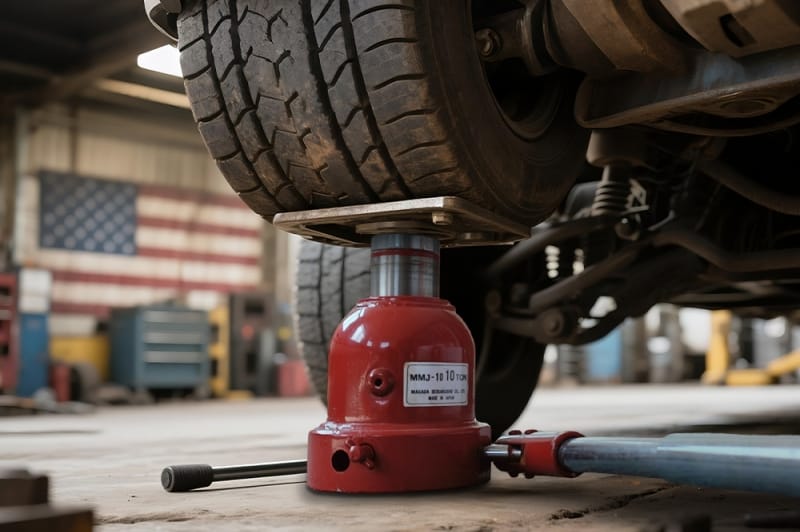
Image Source: pexels
When it comes to hydraulic jacks, MASADA bottle jacks and hydraulic jack lifts stand out for their reliability and efficiency. Safety is paramount when using these tools, especially when working with cars. This guide to hydraulic jacks emphasizes the importance of proper usage to prevent accidents and ensure smooth operations. Throughout this comprehensive guide, readers will gain valuable insights into safe practices and maintenance tips for hydraulic jacks. Let’s delve into the world of MASADA bottle jacks and hydraulic jack lifts.
Understanding Hydraulic Jack Lifts
What is a Hydraulic Jack Lift?
Definition and basic components
A hydraulic jack lift operates using fluid pressure to lift heavy loads. The main components include a reservoir, pump, check valve, cylinder, and release valve.
How it works
When force is applied to the pump, it pushes hydraulic fluid into the cylinder, creating pressure. This pressure causes the piston in the cylinder to rise, lifting the load placed on top of it.
Types of Hydraulic Jack Lifts
Bottle jacks
Bottle jacks are compact and powerful tools commonly used for lifting vehicles. They have a vertical shaft that supports a platform where the load rests.
Floor jacks
Floor jacks are versatile tools suitable for various lifting tasks. They operate by hydraulic fluid pressure and are known for their stability and ease of use.
Scissor jacks
Scissor jacks are portable and easy to store. They work by turning a lead screw that elongates or shortens the scissor arms, raising or lowering the load accordingly.
Choosing the Right Hydraulic Jack Lift
Factors to consider
- Weight Capacity: Ensure the jack can handle the weight of your vehicle.
- Lifting Range: Consider how high you need to lift your vehicle.
- Portability: Choose a jack that suits your mobility needs.
- Durability: Opt for a sturdy jack that can withstand heavy usage.
Common applications
- Emergency Repairs: Quickly lift your vehicle in case of tire changes or repairs.
- Routine Maintenance: Use it for regular maintenance tasks like oil changes or brake inspections.
- DIY Projects: Ideal for DIY enthusiasts working on their vehicles at home.
Preparing to Use a Hydraulic Jack Lift
Image Source: pexels
Safety Precautions
Personal Protective Equipment (PPE)
- Wear appropriate safety gear such as gloves and goggles to protect yourself from potential hazards.
- Ensure your clothing is suitable for the task, avoiding loose items that could get caught in the equipment.
Inspecting the Jack Lift
- Before use, inspect the hydraulic jack for any signs of damage or leaks.
- Check the pump, cylinder, and release valve for proper functionality and ensure all components are securely in place.
Setting Up the Work Area
Choosing a Stable Surface
- Select a level and solid surface to place the hydraulic jack on before lifting any loads.
- Avoid uneven ground or surfaces that may shift during operation to prevent accidents.
Clearing the Area of Obstructions
- Remove any debris, tools, or objects that could interfere with the operation of the hydraulic jack lift.
- Create a clear workspace around the lifting area to ensure safe and unobstructed movement while using the equipment.
Expert Testimony:
Carparts.com suggests changing the hydraulic jack oil periodically. A recommended duration according to carparts.com is to bleed and change the jack’s oil once a year.
Operating a Hydraulic Jack Lift
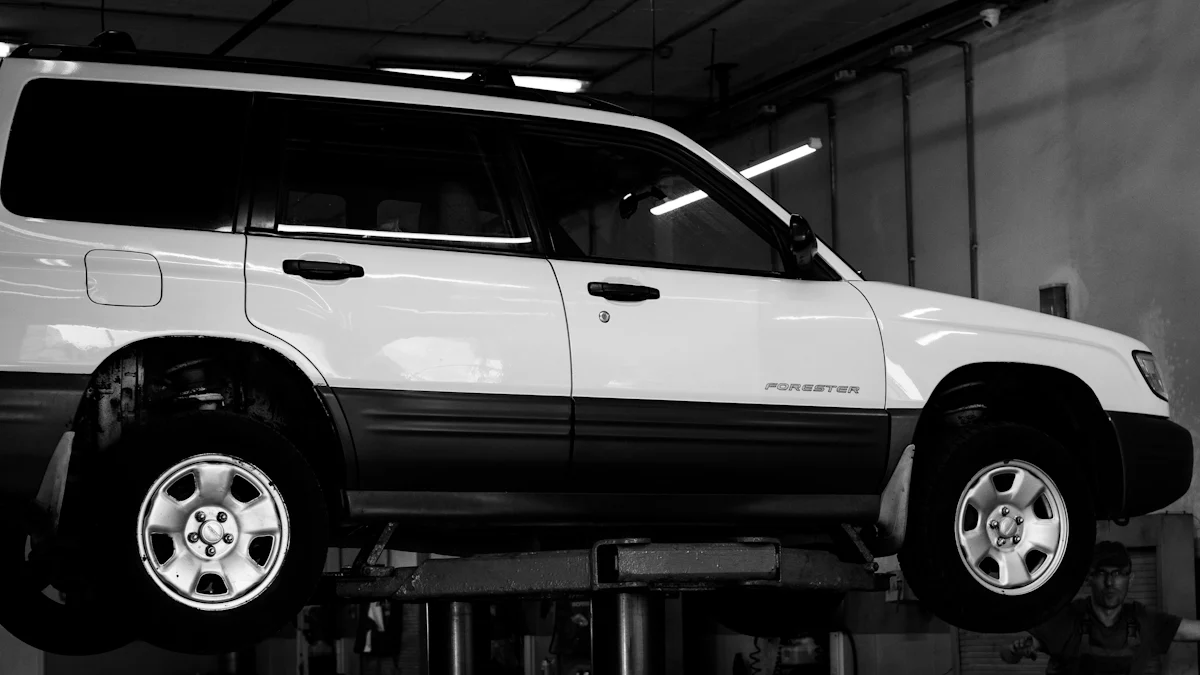
Image Source: pexels
Positioning the Jack Lift
When positioning the jack lift, it is crucial to locate the lifting point accurately. This ensures that the hydraulic jack exerts pressure effectively on the designated area, preventing any damage to other parts of the vehicle. Proper alignment plays a key role in maintaining stability during the lifting process, enhancing safety and efficiency.
Lifting the Vehicle
To lift a vehicle using a hydraulic jack, follow a systematic step-by-step process. First, ensure that you have chosen a suitable hydraulic jack that can handle the weight of your vehicle. Insert the jack under the vehicle at the designated lifting points and pump it accordingly to raise the vehicle gradually. Monitoring the lift throughout is essential to detect any irregularities or issues promptly.
Lowering the Vehicle
When it comes to lowering a vehicle after maintenance or repairs, it is essential to follow a careful step-by-step process. Slowly release the pressure on the hydraulic jack by turning the release valve counterclockwise. Ensure safety during lowering by keeping hands and feet away from under the vehicle and allowing it to descend smoothly onto its resting position.
Maintenance and Care of Hydraulic Jack Lifts
Regular Maintenance
Cleaning and Lubrication
To ensure the longevity and optimal performance of hydraulic jack lifts, regular maintenance practices are essential. Cleaning the hydraulic jack regularly helps prevent dirt buildup, which can affect its functionality. Use a mild detergent and a clean cloth to wipe down the exterior surfaces, removing any grime or debris. Additionally, lubricating the moving parts of the jack with a suitable lubricant reduces friction and ensures smooth operation.
Checking for Wear and Tear
Periodic inspection for wear and tear is crucial in maintaining the safety and efficiency of hydraulic jack lifts. Inspect all components, including the pump, cylinder, and valves, for signs of damage or deterioration. Look out for leaks in the hydraulic fluid, as they can indicate potential issues with the system. Any worn-out or damaged parts should be replaced promptly to avoid accidents during operation.
Troubleshooting Common Issues
Hydraulic Fluid Leaks
One common issue that may arise with hydraulic jack lifts is hydraulic fluid leaks. If you notice any leaks around the seals or connections, it is important to address them immediately. Start by identifying the source of the leak and tighten any loose fittings. Depending on the severity of the leak, you may need to replace damaged seals or components to prevent further fluid loss.
Jack Lift Not Holding Pressure
Another common problem users encounter is when the jack lift fails to hold pressure while lifting heavy loads. This issue can be attributed to air trapped in the hydraulic system or worn-out seals causing internal leaks. To resolve this, bleed the system to remove air bubbles and ensure proper pressure retention. If sealing components are worn, replacing them will restore the jack lift’s functionality.
Safety First: Prioritizing safety when using hydraulic jacks is paramount. Practicing safety guidelines, such as avoiding overloading and maintaining a vigilant eye during operations, ensures accident-free lifting experiences.
Personal Safety: Always prioritize personal safety by refraining from interacting with loads supported by jacks and maintaining a safe distance from potential hazards. Remember, one small oversight can lead to significant consequences.
Reliable Support: Consider using a combination of a hydraulic jack and jack stands for added security. This extra precaution minimizes risks associated with potential failures and provides stable support during maintenance tasks.
Share Your Experience: We encourage readers to share their experiences or ask questions regarding hydraulic jack usage. Your insights can help others enhance their safety practices and efficiency when working with hydraulic jacks.